
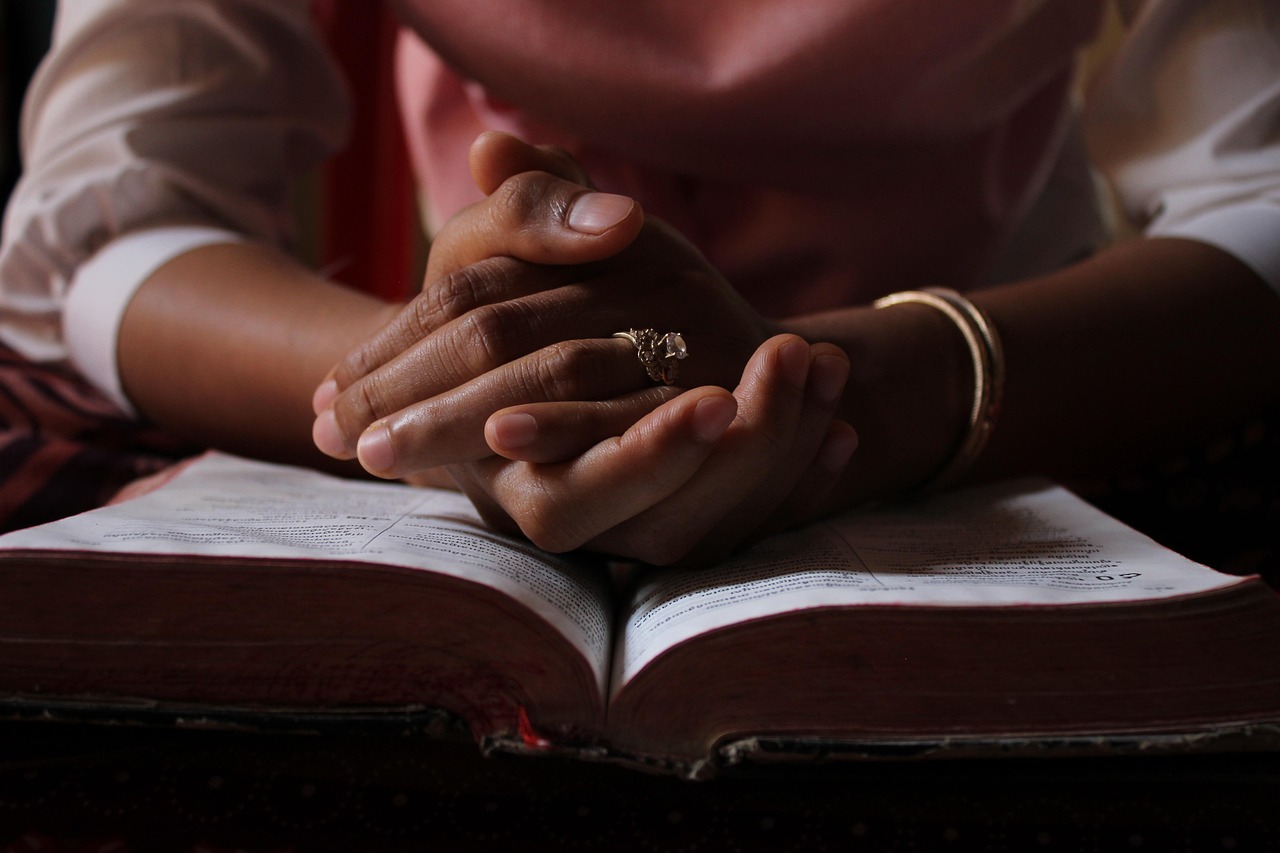
In our fast-paced world filled with constant distractions, Christians are seeking a deeper connection with God through the practices of mindfulness and meditation. These disciplines offer not just a moment of stillness, but an intentional invitation to draw closer to Jesus. But what is meditation? And is mindfulness a practice that Christians should adopt? In this exploration of meditation and mindfulness, we will examine various approaches to meditation, emphasizing how they can enhance our spiritual lives and help us embody scripture in our everyday experiences.
Let’s break down three main philosophies or approaches to meditation:
Eastern Meditation
Eastern Meditation practices are all about emptying your mind. The goal is to cultivate detachment from the world and attain enlightenment or inner peace. The focus is often self-realization, oneness with the universe, or an impersonal ultimate reality. Overall, Eastern meditation is not just a technique, but a spiritual path aimed at union with a higher reality or the attainment of a higher state of consciousness.
In Buddhism, meditation aims for self-transformation, increased wisdom, peace, mindfulness, and ultimately enlightenment or Nirvana, which is the cessation of suffering. For practicing Taoists, meditation focuses on inner peace, soul renewal, and harmonizing life energy (“qi”) to achieve spiritual enlightenment and well-being. Jainism meditation strives for mind stabilization, self-concentration, soul purification, and transcendence of daily experiences.
Eastern Meditation Techniques
Eastern meditation practices often incorporate breath awareness, focused attention, energy balancing (pranayama and qigong), and visualization exercises. These techniques are designed to cultivate mindfulness, spiritual insight, unimpeded energy flow, and union with a universal consciousness.
Mindfulness Meditation
Unlike spiritual or religious meditation practices, the goal in mindfulness meditation is not the pursuit of enlightenment or spiritual union, but rather the development of practical skills for self-awareness, emotional balance, and overall mental health. In essence, mindfulness meditation is about cultivating control over your mind and attention.
Regular mindfulness practice activates the body’s relaxation response, which helps lower stress hormones and decrease symptoms of anxiety and depression. The practice enhances awareness of thoughts and feelings, leading to the reduction of automatic, reactive patterns. This makes it easier to manage difficult emotions and respond with calm and composure.
Mindfulness meditation is associated with numerous physical and emotional benefits. Some well-documented benefits include greater self-awareness, improved focus, increased cognitive flexibility, resilience, more positive affect, better sleep, improved blood pressure, and enhanced immune function.
Mindfulness Techniques
Mindfulness is typically fostered by bringing focused attention to bodily sensations, thoughts, and emotions—learning to observe rather than judge them—and this shift in attitude helps translate mindfulness into daily life and coping strategies. Examples of specific practices include focused breathing exercises, body scans, focusing on sensations and awareness, and guided imagery.
Christian meditation
Christian meditation is all about filling your mind with God’s truth. It’s rooted in the desire to abide in God’s presence, renew your mind, and let Christ shape every aspect of your being. The goal is to deepen your personal relationship with God by focusing your mind and heart on God’s presence, character, and word.
It seeks to cultivate spiritual intimacy, moral purification, and transformation, ultimately leading to a closer relationship with God and a life shaped by His guidance and the Holy Spirit. Christian meditation differs from Eastern or Mindfulness practices that seek self-realization or detachment. Instead, the intention of Christian meditation is to anchor your mind and heart in God, His Word, and His presence. It’s about intimacy with Christ, spiritual transformation, and a fuller life in God’s service.
Learn about the roots of Christian Meditation in this blog.
Scriptures on Meditation
The Bible calls us to meditate on God’s word and ways. Scripture is replete with verses discussing meditation, but here are a few of my favorites:
Joshua 1:8 Keep this Book of the Law always on your lips; meditate on it day and night, so that you may be careful to do everything written in it. Then you will be prosperous and successful.
Psalms 1:1-3 Blessed is the one who does not walk in step with the wicked or stand in the way that sinners take or sit in the company of mockers, but whose delight is in the law of the Lord, and who meditates on his law day and night. That person is like a tree planted by streams of water, which yields its fruit in season and whose leaf does not wither—whatever they do prospers.
Psalm 19:14 Let the words of my mouth and the meditation of my heart be acceptable in your sight, O Lord, my rock and my Redeemer.
Psalm 119:15 I will meditate on your precepts and fix my eyes on your ways.
Psalm 145:5 On the glorious splendor of your majesty, and on your wondrous works, I will meditate.
Philippians 4:8 Finally, brothers and sisters, whatever is true, whatever is noble, whatever is right, whatever is pure, whatever is lovely, whatever is admirable—if anything is excellent or praiseworthy—think about such things
Christian Meditation Techniques
Christian meditation often involves concentration, surrender, and expectant openness to God’s action. Examples of Christian meditation practices include: contemplative prayer, Lectio Divina, breath prayers, scripture memorization, word studies, silent reflection, reflecting on God’s attributes, or rewriting a scripture verse in your own words to ensure understanding. All of these practices work to focus your mind on God’s presence, scripture, or divine truths, deepening your communion with God and seeking transformation and guidance.
Integrating Meditation with Yoga Practice
As Christians practicing yoga, you can infuse each movement and breath with intention, prayer, and reflection. My favorite way to do this is through moving meditation paired with a breath prayer. To do this:
- Start with studying a passage of scripture
- Summarize the scripture in a few words, or focus on what it is teaching you
- Translate the summary into two short statements
- Use those statements as your breath prayer, repeating one phrase with your inhale and the second phrase with your exhale
Here’s an example from my personal practice a few weeks ago:
Jeremiah 29:13 reads: “You will seek me and find me when you seek me with all your heart.”
After reading the passage, I was convicted of how I don’t always seek God with my whole heart. I often spend time seeking or thinking about my own selfish desires instead. With that realization in mind, I used this breath prayer in my practice:
Inhale: Lord, guide my heart
Exhale: To seek you always
Ever wonder if Christians should practice yoga? Read more in this blog.
The Takeaway
Eastern and Mindfulness Meditation centers on the self as the one doing the work, seeking either to master your mind or detach from it. Transformation is self-generated.
Eastern Meditation aims to quiet the mind and achieve inner peace, detachment, or self-realization, ultimately seeking enlightenment. Mindfulness Meditation cultivates nonjudgmental, present-moment awareness of thoughts, sensations, and emotions, allowing them to arise and pass without attachment or reaction, mainly to reduce stress and increase well-being.
Christian meditation is relational. God is the focus and means of transforming our hearts and minds. Our role in meditation isn’t to control ourselves, but to open ourselves up to God, inviting the Holy Spirit to work within us. We’re focused on filling our minds and hearts with God’s Word, attributes, and presence, seeking personal transformation and a deeper relationship with God through prayerful reflection and contemplation.
When you meditate in your yoga practice, you are not just pursuing peace of mind or an escape from stress; instead, you are intentionally meeting with Christ, filling your soul with God’s word, and letting your body, mind, and spirit align under His love and lordship.
By combining physical postures, mindful breathing, and meditation, yoga becomes a dynamic space for both embodied worship and soul-deep renewal. Christian yoga and meditation are not about emptying yourself, but being filled—again and again—with God’s presence, joy, and truth.
Want to try a Christian Guided Meditation? Join me for one on 2 Corinthians 5:15-17 over at my YouTube channel:
Tonya is a 500hr RYT based in Coastal Mississippi. She loves that she gets to share the joy and healing that yoga brought to her life. In addition to teaching yoga, she flips houses with her husband. Tonya is a travel enthusiast who loves the outdoors and adventure. You'll find her at the local beach, volunteering at the animal shelter, and playing with her forever and foster dogs.



0 Comments